
If you’ve ever looked up at your roof and wondered how much life it has left, you’re asking a smart question. How long does a roof last is one of the most common things homeowners ask us, and the honest answer is that it depends. The lifespan of your roof comes down to the material it’s made of, how well it was installed, and how it holds up to the weather. Here in Massachusetts, New Hampshire, and Maine, roofs take a real beating from snow, ice, wind, and sun, so the climate plays a big role too. A well built asphalt shingle roof can last decades, while metal and rubber roofs often go even longer. But no roof lasts forever, and skipping maintenance can cut years off its life. Knowing what to expect helps you plan ahead and avoid surprise leaks. In this guide, we’ll break down how long different roofs typically last, what affects their lifespan, and the signs that tell you it’s time to start thinking about a replacement.
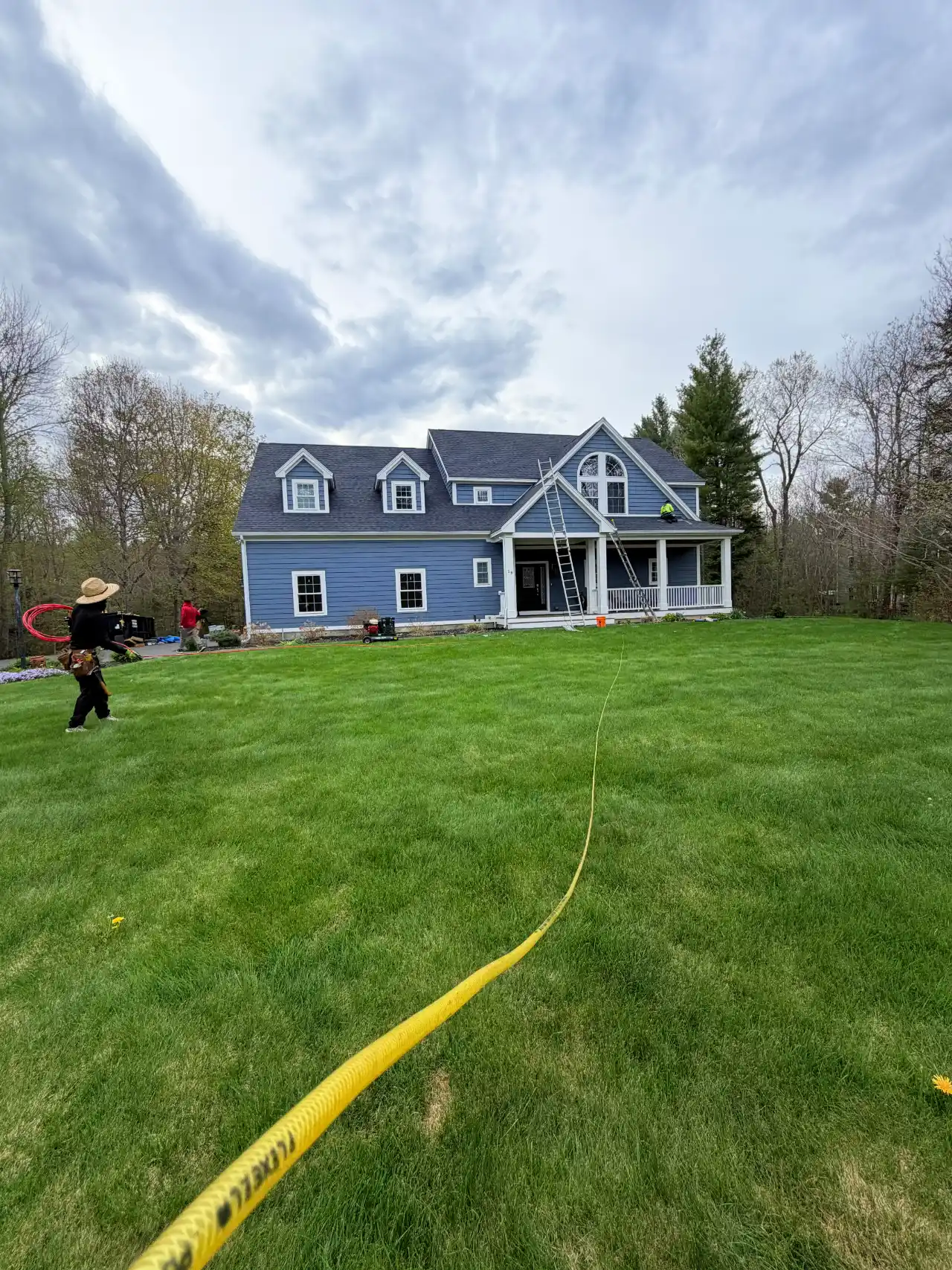
Average Lifespan by Roofing Material
Different roofing materials age at very different rates. Standard three tab asphalt shingles typically last around 15 to 20 years, while thicker architectural shingles often reach 25 to 30. Metal roofing is one of the longest lasting options, frequently going 40 years or more with little upkeep. Rubber, or EPDM, membranes on flat roofs usually last around 20 to 30 years when they are installed well. These are general ranges, not guarantees, and your actual lifespan can land higher or lower. A roof in a mild climate with great ventilation may outlast the average, while one battered by harsh New England winters might wear out sooner. The material you choose sets the baseline, but everything else either adds years or takes them away.
What Affects How Long Your Roof Lasts
The material is only part of the story. Installation quality matters just as much, since even the best shingles fail early if they are put on wrong. Attic ventilation is another big factor, because trapped heat and moisture cook a roof from underneath and shorten its life. Your local weather plays a huge role too. Heavy snow, ice dams, strong wind, and constant freeze and thaw cycles all wear materials down faster. Sun exposure dries out shingles over the years, and clogged gutters let water sit where it shouldn’t. Regular maintenance, like clearing debris and fixing small issues early, can add real time to your roof’s life. In short, two identical roofs can age very differently depending on how they’re built and cared for.
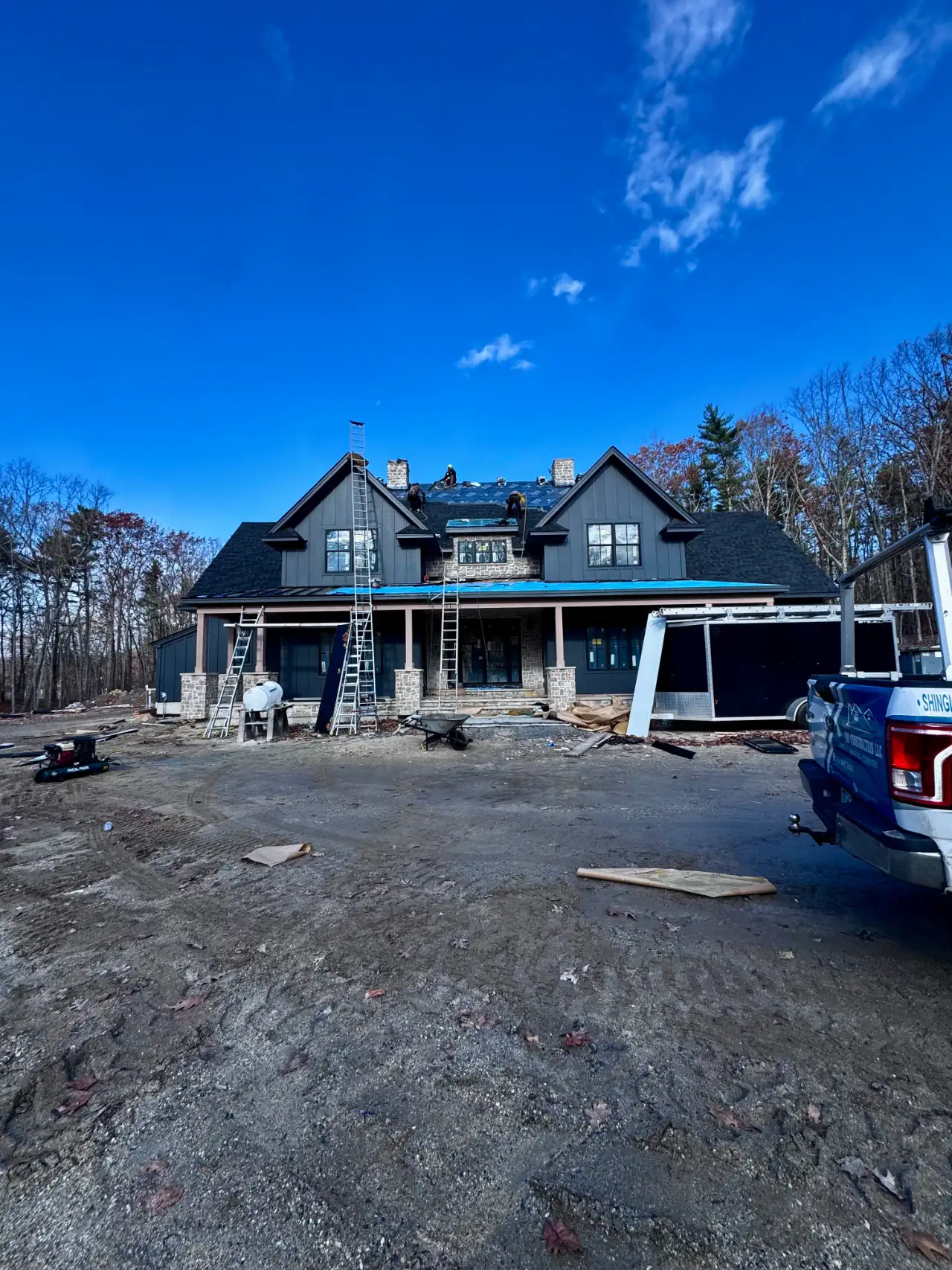
Signs Your Roof Is Near the End
Your roof usually warns you before it fails completely. Curling, cracked, or missing shingles are clear signs the material is breaking down. If you see a lot of granules collecting in your gutters, your shingles are wearing thin. Inside, water stains on the ceiling, daylight in the attic, or a sagging roofline all point to serious trouble. Frequent leaks, even after repairs, often mean the roof is simply worn out. Age is a clue too, so if your roof is past the typical lifespan for its material, keep a close watch. Spotting these signs early gives you time to plan, rather than scrambling after a storm. When several show up at once, a replacement is usually the smarter long term move.
Repair, Maintain, or Replace?
Not every aging roof needs to be torn off right away. If your roof is in decent shape and the problems are small, simple repairs and regular maintenance can stretch its life for years. Fixing a few shingles, sealing flashing, and keeping gutters clear go a long way. But once a roof is near the end of its lifespan and showing several warning signs, repairs start to feel like throwing money at the problem. At that point, a full replacement usually costs less over time and gives you peace of mind. The best way to know where you stand is a professional inspection. We’ll check the whole roof, explain its real condition, and give you honest options with a free written estimate, so the choice is yours.